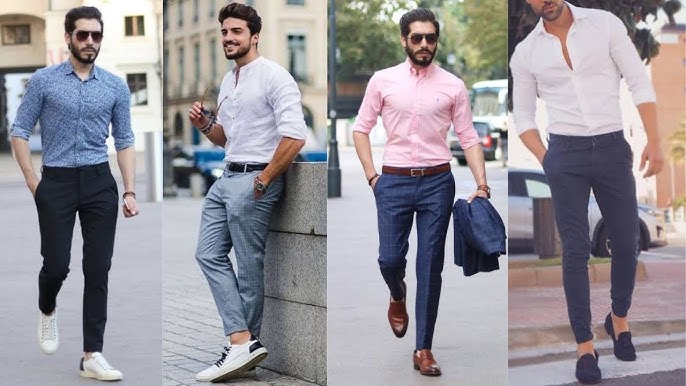

Overview
Men’s formal attire has long been seen as a sign of confidence, discipline, and refinement. From business meetings to black-tie affairs, a well-put-together formal ensemble conveys a lot about a man’s sense of style and attention to detail. Understanding the art and subtleties of formal clothing is crucial in a world where first impressions count, not only to satisfy social expectations but also to project elegance and power.
The many elements of formal menswear, the kinds of formal occasions and suitable dress, grooming advice, styling necessities, and contemporary developments in menswear are all covered in this extensive book. Whether you’re a young professional expanding your wardrobe or an experienced executive honing your style, this post will help you confidently and clearly navigate the world of men’s formal clothing.
What Men’s Formal Wear Is
Generally speaking, formal wear refers to clothing worn to formal or business gatherings when a rigid dress code is required. It includes a variety of clothing items that follow accepted fashion norms, such as suits, shirts, pants, shoes, ties, and accessories. From business formal to black-tie or white-tie affairs, the degree of formality can vary.
Generally speaking, formal attire is defined by rich materials, rigid tailoring, and dark hues. In contrast to casual or business casual designs, formal wear emphasises quiet refinement and delicate elegance, leaving little opportunity for flamboyance or improvisation.
The Suit as the Foundation
The mainstay of men’s formal attire is the suit. A well-fitting suit gives the body structure, improves posture, and establishes a dominant presence. Single-breasted, double-breasted, two-piece, and three-piece suits are among the different types available.
The most popular style is the single-breasted suit, which has one row of buttons and works well for most formal settings.
Double-Breasted Suit: This more conventional design exudes authority and has two rows of buttons.
A two-piece suit is made up of a jacket and pants. Perfect for formal corporate environments.
Three-piece suits, which come with a vest or waistcoat, provide a more traditional and comprehensive formal appearance.
The suit’s colour and fabric are quite important. Wool is the most widely used material because it strikes a balance between comfort and shape. Black, charcoal grey, and navy blue are regarded as the traditional colours for formal attire.
The dress shirt
No formal ensemble is complete without a well-made, clean dress shirt. A formal shirt, which is usually made of cotton, should fit properly, neither too tight nor too loose. The kind of collar—spread, point, or wingtip—should go well with the tie knot and the form of the face.
White and light blue are timeless and adaptable hues that go well with the majority of suits and ties. For high-formality events, solid colours are still the safest option, while subtle pinstripes or check patterns could be appropriate in business-formal settings.
The Pocket Square and Tie
One essential component of a man’s formal wear is the tie. It complements the outfit’s main motif while adding contrast and individuality. Silk solid ties are classic, but they can be made more visually appealing with textured materials or delicate designs like polka dots or stripes.
The length and width of the tie should match the body frame and lapels of the suit. Just above the belt buckle is where a properly knotted knot, such as the Windsor, Half-Windsor, or Four-in-Hand, should be placed.
Although not required, a pocket square is strongly advised. It offers a refined touch when folded neatly in the breast pocket. It should complement the tie’s colour and pattern, but it doesn’t have to match perfectly.
Fit and Trousers
The fabric, colour, and style of the formal pants must match those of the suit jacket. A tailored fit should have a slight taper at the legs and be comfortable at the waist. Length is important; the trouser should produce a small break on the top of the shoe.
Flat-front pants are slim-fitting and contemporary, while pleated pants provide more space and a more classic style. If suspenders are not worn, a formal leather belt should be worn in the belt loops.
Socks and Shoes
Shoes can make or break a formal ensemble. The traditional options consist of:
Oxfords are well-known for their closed-lacing style, which makes them ideal for formal occasions like black tie.
Derby shoes are nevertheless appropriate in most business situations, while being a little less formal than Oxfords.
Although they are less prevalent for extremely formal events, loafers or monk straps are stylish options for business formal.
The most adaptable shoes are black ones, particularly when worn with blue or black suits. In semi-formal settings, brown shoes go well with lighter suits like grey or blue.
Socks should be long enough to cover any exposed skin when sitting and should be the same colour as the shoes or pants.
Watches and Accessories
When wearing formal attire, accessories are simple yet effective. A gentleman’s essential is a traditional timepiece with a metal bracelet or leather band. Steer clear of computerised or gaudy timepieces at formal occasions.
Additional accessories that are appropriate include:
Cufflinks: An elegant touch that is necessary for French-cuff shirts.
Tie Clip or Bar: Provides a touch of refinement and keeps the tie in place.
Flowers or lapel pins are saved for formal occasions like weddings and galas.
Don’t overaccessorize; simplicity is frequently the key to elegance in formal attire.
Evening vs. Formal Business Official
Two major categories can be used to classify formal dress codes:
Business formal attire consists of leather shoes, dress shirts, ties, and suits. It is appropriate for conferences, meetings, and office environments.
Formal evening attire (white or black tie): more formal. A tuxedo, white dress shirt, black bow tie, and patent leather shoes are required for a black tie. The most formal dress code, white tie, calls for a white bow tie, white vest, and tailcoat.
It’s important to comprehend the context. What is suitable for a boardroom could not be suitable for an awards ceremony or wedding.
Dressing formally for special occasions
Outside of the workplace, men frequently have to dress formally for events like weddings, award ceremonies, funerals, and formal meals.
Weddings: Lighter-colored suits or tuxedos may be worn, depending on the theme. Common accessories include boutonnieres.
At funerals, a black or dark grey suit with a black tie and white shirt conveys seriousness and respect.
At award ceremonies and galas, a fitted black suit or a classic tuxedo is ideal, frequently accessorised with sophisticated pieces.
There are unwritten norms for every kind of function, and being suitably attired is a sign of social awareness and respect.
Presentation and Grooming
Even with a well-fitting suit, a bad haircut may ruin the whole ensemble. Tidy haircuts, manicured nails, and clean-shaven or well-trimmed facial hair are all necessary. It should have a light yet pleasing scent.
The professional look needed for formal occasions is completed with lint-free jackets, polished shoes, and ironed clothing. In formal attire, details are more important than in any other fashion.
Seasonal Factors
The fabric and colour selection for formal wear must change with the seasons:
Summer: Choose lighter materials with breathable weaves, such as linen or cotton blends. Blue or light grey suits work well.
Winter: Opt for tweed or wool in deeper hues, such as charcoal, black, or navy. Warmth and style are added by layering with a formal topcoat or vest.
Seasonal materials demonstrate a knowledge of fashion etiquette in addition to ensuring comfort.
The Function of Tailoring It is uncommon for off-the-rack suits to fit flawlessly. The key to getting that streamlined, custom look is tailoring. The jacket shouldn’t drag or sag; it should embrace the shoulders. The sleeves should reveal roughly half an inch of the shirt cuff, and the pants should be hemmed to the proper length.
Custom tailoring makes a huge impact in both appearance and comfort by ensuring that your clothes suit your body type and accentuate your silhouette.
Contemporary Advances in Formal Clothing
More personal expression, bolder patterns, and thinner fits are all features of modern formal dress. Even the traditional components are still present, modern formal attire offers some flexibility:
suits made of printed fabrics, emerald, or burgundy
Unconventional tie substitutes and minimalist accessories
Tech-enabled suits made of stretch or wrinkle-resistant materials
The secret is to strike a balance between innovation and tradition; don’t allow modernity dominate the decorum of the moment.
Avoidable Errors
Even seasoned pros make mistakes when it comes to formal attire:
Wearing pants and jackets that don’t match
Wearing excessively long or short ties
Donning informal footwear, such as sandals or sneakers
Wearing too many accessories or selecting unique products
disregarding personal hygiene and grooming
You can avoid fashion faux pas that skew perception by being aware of these typical errors.
In conclusion
Men’s formal attire is more than just wearing a suit and tie; it’s about developing an aesthetic based on custom, style, and manners. Understanding the components of formal attire enables men to demonstrate their respect, self-assurance, and sense of style, whether for work, a celebration, or a ceremony.
The ability to dress formally and do it effectively is a rare talent in a world that is becoming more and more casual. It exhibits intellect, effort, and self-respect. Any man can negotiate formal settings with distinction and grace if he invests in high-quality clothing, pays attention to detail and hygiene, and understands the rules of fit and materials.
The man who knows how to wear a suit stands out, but the suit itself doesn’t create the man, whether you’re new to formal wear or trying to update your wardrobe.